
Your first cashmere
collection can
start small.
A practical guide for small brands choosing their first styles, colours and production quantities.
A starting point for small brands
Begin with a garment you can define.
You can start your first collection with a small production run. At YUMARCH, orders start from 50 pieces per style, and colour splits can be discussed. Choose from our range of basic knitwear styles, or bring your own design. We work through the material, fit and sample with you before confirming production.
Start by describing who will wear the garment, how you want it to fit and when it will be worn. Then choose a lead style around those decisions. A focused first brief gives you specific questions to resolve in sampling.
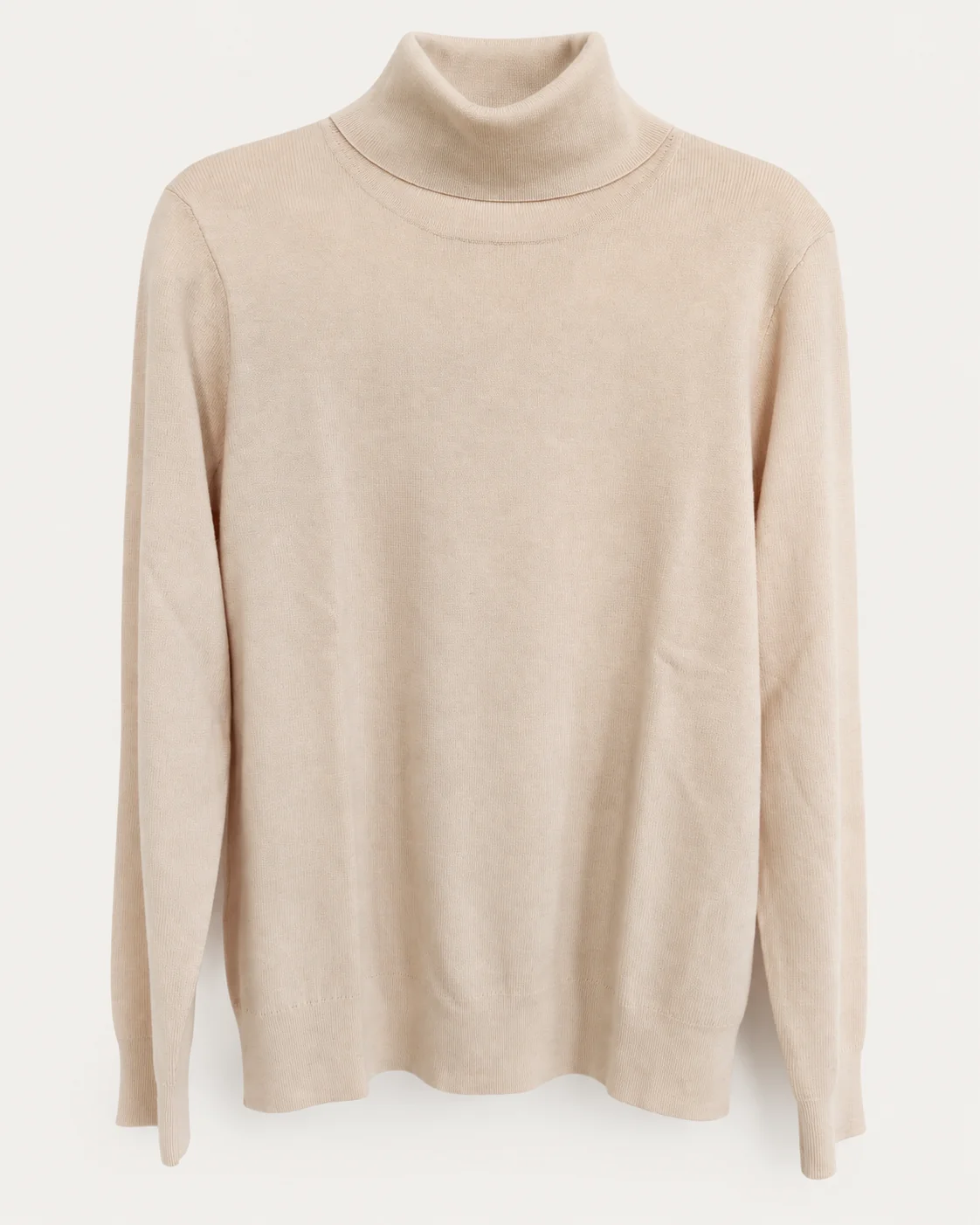
Use a basic style as your starting point
Ask us for available basic knitwear options that suit your direction. Once you select a style, discuss the yarn, colour, fit, measurements and details you would like to develop. You can begin this conversation without a completed tech pack.
The basic style is a starting point for development. Product details and any changes are reviewed through sampling. Ask us for the current style options.
Explore basic style developmentSee what each extra choice means.
Write down each style and colour before choosing your total quantity. These examples allow 50 pieces for each style and colour. Orders start from 50 pieces per style, and other colour splits can be discussed.
| Collection plan | Pieces per style / colour | Total pieces |
|---|---|---|
| 1 style · 1 colour | 50 | 50 |
| 1 style · 2 colours | 50 | 100 |
| 2 styles · 1 colour each | 50 | 100 |
| 2 styles · 2 colours each | 50 | 200 |
These are quantity examples for planning with YUMARCH. Materials, size allocation and garment details are reviewed for your project.
A 50-piece run can focus on one style in one colour. With 100 pieces, you could plan one style in two colours or two styles in one colour each. You can also make 100 pieces of a single style in one colour.
If you want two styles in two colours each, allowing 50 pieces for every style-and-colour combination gives 200 pieces in total. Adding choices changes the quantity plan, so list the combinations clearly.
Other splits can be discussed individually. Share the breakdown you want us to review.
Read the MOQ and quantity guideSeparate pieces, sizes and samples.
A production quantity counts garments. A SKU identifies a particular product variant, such as a style in one colour and one size. The number of SKUs and the number of pieces tell you different things about the collection.
For example, one style in two colours and three sizes creates six style–colour–size combinations. A 100-piece order could still contain those six variants, with 50 pieces in each colour and a size breakdown agreed within each colour.
Illustrative size split · Subject to review
For one colour: S × 10, M × 20 and L × 20 = 50 pieces. Repeating that split in a second colour gives 100 pieces overall. This is an arithmetic example, not a recommended size ratio for every brand; propose a split for your intended customers and confirm it with us.
Keep sample quantities on a separate line. A sample request is for product review, while the production plan records the garments you want to order after approval. Sample arrangements are confirmed for your project.
Work through the product before finalising the run.
- Set your direction. Choose the intended wearer, garment type, fit and material direction. Our main focus is 100% cashmere knitwear; wool and blends can also be discussed.
- Outline the order. List styles, colours, planned quantities, size range and target timing. Mark undecided details so they can be discussed.
- Prepare the quote and sample brief. Review yarn, stitch, measurements and details. Share label, packing and any testing requirements early so they can be considered in the quote.
- Review the sample. Check fit, handfeel, colour, measurements and construction. Gather changes into one set of comments and confirm which sample version is approved.
- Confirm production. Agree the final specifications, quantities by style, colour and size, price, labels, packing and delivery arrangements.
You can ask for style options while technical details such as gauge and garment weight are still open. Final production specifications and label or packing details need to be agreed before the order proceeds.
Prices, sample arrangements and delivery schedules are confirmed by project. When planning costs, ask what the quotation includes for garments, sampling, labels, packing and shipping.
Explore production cost factors
See the quote preparation checklistTurn your idea into a brief.
Copy this outline into your enquiry. It is fine to write “to be confirmed” where you need help.
Intended customer / sales market:
Garment direction / fit:
Basic style options requested, or own design:
Preferred composition:
Number of styles:
Colours for each style:
Pieces per style per colour:
Total production pieces:
Size range / proposed size split:
Sample requirements:
Labels / packing requirements:
Target timing / delivery destination:
Details still to be confirmed:
Illustrative brief · Not a customer case
“We are planning our first cashmere sweater collection and would like to see basic style options. We would like to start with one style in two colours, 50 pieces per colour, for 100 pieces in total. Our preferred composition is 100% cashmere. We need help confirming fit, sizes and yarn options, and would like to review a sample before production.”
Let’s plan your first collection.
Ask for basic styles, share your own design or start with a quantity plan. YUMARCH works hand in hand with our family’s knitwear factory in Qinghe, China, and is your contact for development and production.
Discuss my first collection