
Cashmere sampling:
from your brief
to sample approval.
What to send, what to review, and how to plan the decisions before production.
Getting started
Bring the details you have.
You can begin with a sketch, reference image or tech pack, or choose from YUMARCH’s basic knitwear styles. We work through the yarn, colour, fit and construction with you before agreeing the sample requirements. The sample gives you a garment to assess before you confirm production.
YUMARCH works hand in hand with our family’s knitwear factory in Qinghe, China. Our capabilities include yarn spinning, colour development, knitting, garment making and finishing, alongside product development and sampling.
What to ask when choosing a manufacturer
Starting from a basic style
Ask to see options that suit your collection. Once you select a style, tell us which features you want to keep and which you would like to change. We can discuss yarn, colour, measurements and details with you.
Developing your own design
Send the references or specifications you already have. For each reference, explain what you like about it: the fit, neckline, stitch, colour or another detail. If you have a tech pack, include its date or version so we are working from the same information.
Explore basic style optionsWhat should your brief include?
You can make an initial enquiry before every decision is final. Mark any open questions so we can discuss them before sample making begins.
- Garment direction: sweater or cardigan, intended wearer, fit and references, or a request for basic styles.
- Material and feel: preferred composition, knit weight, texture and gauge if known. Our main focus is 100% cashmere; wool and blends can also be discussed.
- Colour: your colour reference, or a request to review available options.
- Sample size and measurements: the size you want to review, plus measurements such as chest, body length and sleeve length where available.
- Details: neckline, cuffs, hem, fastening and any label requirements relevant to the sample.
- Order and timing: planned styles, colours and production quantities, plus when you need to receive the sample and your target delivery date.
Keep the intended production quantity separate from the number of samples you are requesting. Orders start from 50 pieces per style, and colour splits can be discussed. Sample arrangements are discussed separately.
See our small-run quantity examplesPlan each stage of sampling.
Tell us when you need the sample in hand. We will review the requirements and confirm the schedule with you. Sample making, your review, revisions and shipping each need to be accounted for.
- Confirm the sample brief. Agree the style, sample size, measurements, material and details to be developed. Record any decisions that are still open.
- Confirm yarn and colour. Check the selected options and their availability. If the project needs custom spinning or dyeing, confirm that work and its timing before agreeing the sample schedule.
- Make the sample. Confirm the start point and expected completion date. Make clear which yarn, colour, labels and trims this version will include.
- Receive, review and revise. Allow time for shipping and your review. If changes are needed, agree the changes and confirm the next step and timing.
- Approve the sample and specification. Record which version is approved and close any remaining product decisions before agreeing production.
Before you agree a date
Check whether the date means sample completion, dispatch or arrival. Confirm when the timing starts, whether days are working or calendar days, and how revisions and shipping are handled.
What about sample fees?
Sample pricing, payment terms, shipping charges and the scope of any revisions are confirmed for your project. Discuss these alongside the sample requirements so both sides know what is included.
Prepare your quote enquiryWhat to check when the sample arrives.
Review it against the agreed brief and measurements. Keep a record of the sample version and gather feedback from your team into one set of comments.
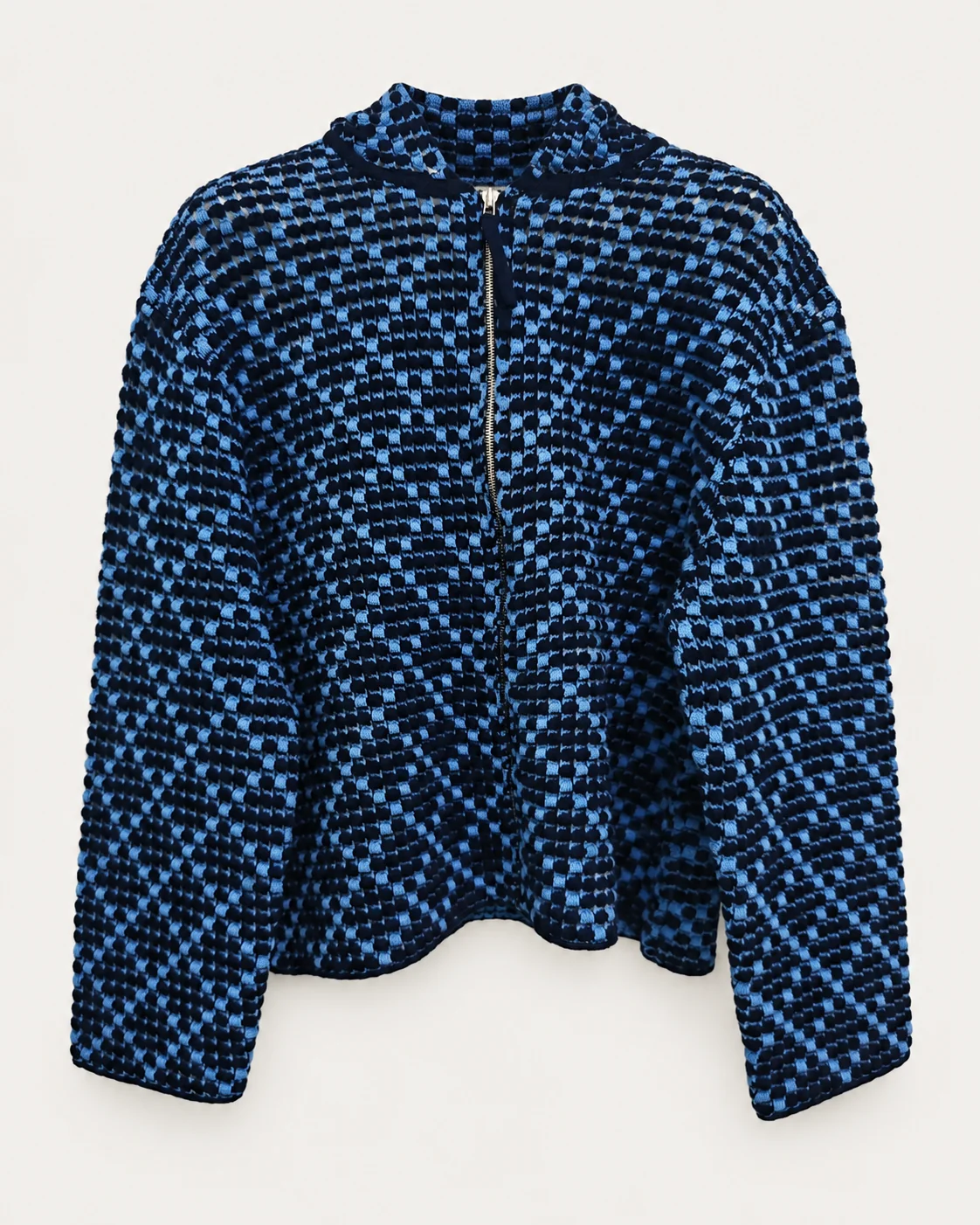
- Fit and proportion: check the body, sleeve and neckline on the intended fit model or against your fit reference.
- Measurements: compare the sample with the agreed size specification, using the same measurement points and units.
- Material and colour: assess the handfeel, weight, stitch appearance and colour against the agreed references.
- Construction and finish: check seams, neckline, cuffs, hem and any fastenings or labels included in the sample.
- Open requirements: confirm any details still to be resolved, including testing or documentation required for your product.
Photograph the area you want changed and describe the requested result. Specific feedback is easier to act on than comments such as “make it better” or “too loose”.
An example of sample feedback
“Sample A, size M: keep the neckline and cuff finish. Shorten the body length by 2 cm from the agreed measurement. Please confirm the revised specification and whether we should review another sample before approval.”
Keep a clear record of approval.
Confirm the approved sample version and final specifications in writing. If yarn, colour, measurements or other details have changed during development, make sure the final record reflects those decisions.
Before production, agree the quantities by style, colour and size, along with price, labels, packing, any inspection requirements and delivery arrangements. Confirm the production schedule separately from the sampling schedule.
See our development & production processReady to discuss a sample?
Share your starting style, the details you have and your target timing. If you are still choosing a design, ask to see our basic knitwear styles.
Discuss a sample schedule